
Therapies & Programs
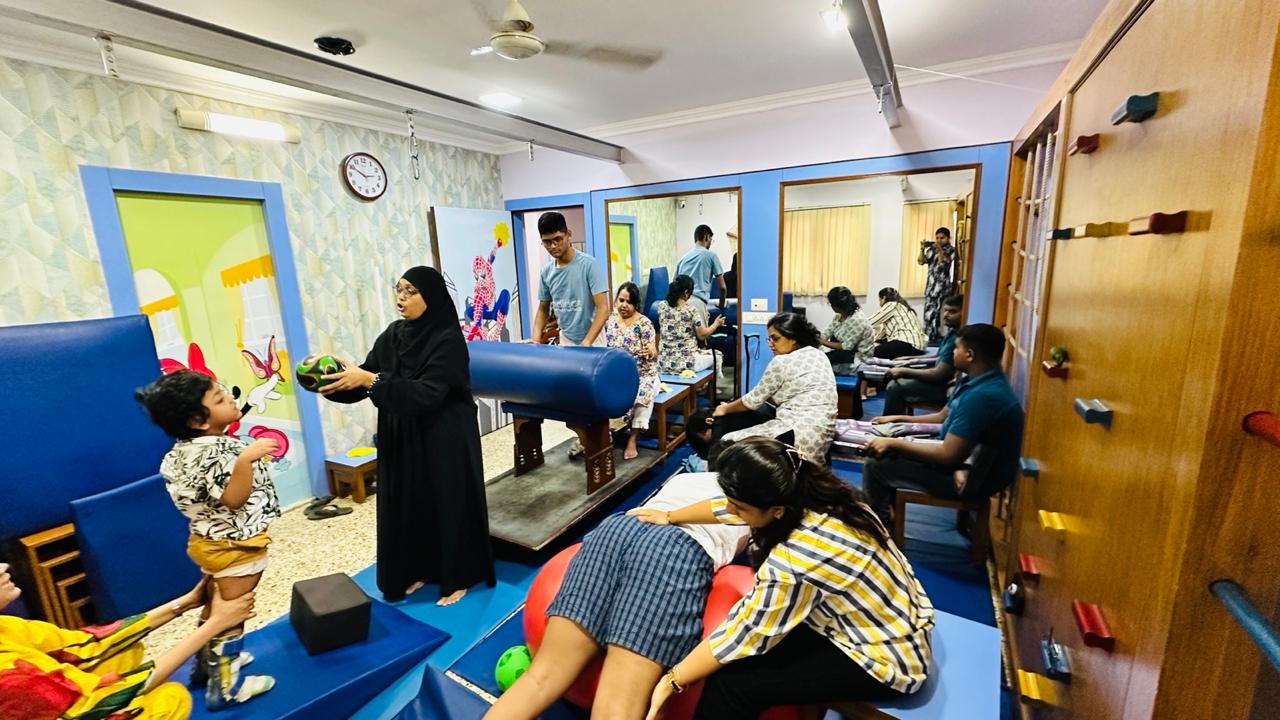
1. PHYSIOTHERAPY
Physiotherapy for Movement, Balance & Physical Development
What Parents May Notice
- Difficulty walking or balancing
- Poor posture
- Weak muscle strength
- Delayed physical milestones
- Difficulty with movement coordination
- Reduced flexibility or physical confidence
How Physiotherapy Helps
Physiotherapy focuses on improving mobility, posture, balance, muscle strength, coordination, and physical functioning through structured therapy exercises and guided movement activities.
Expected Outcomes
- Better coordination and motor control
- Improved focus and attention
- Greater independence in daily activities
- Improved sensory regulation
- Enhanced confidence in routine tasks
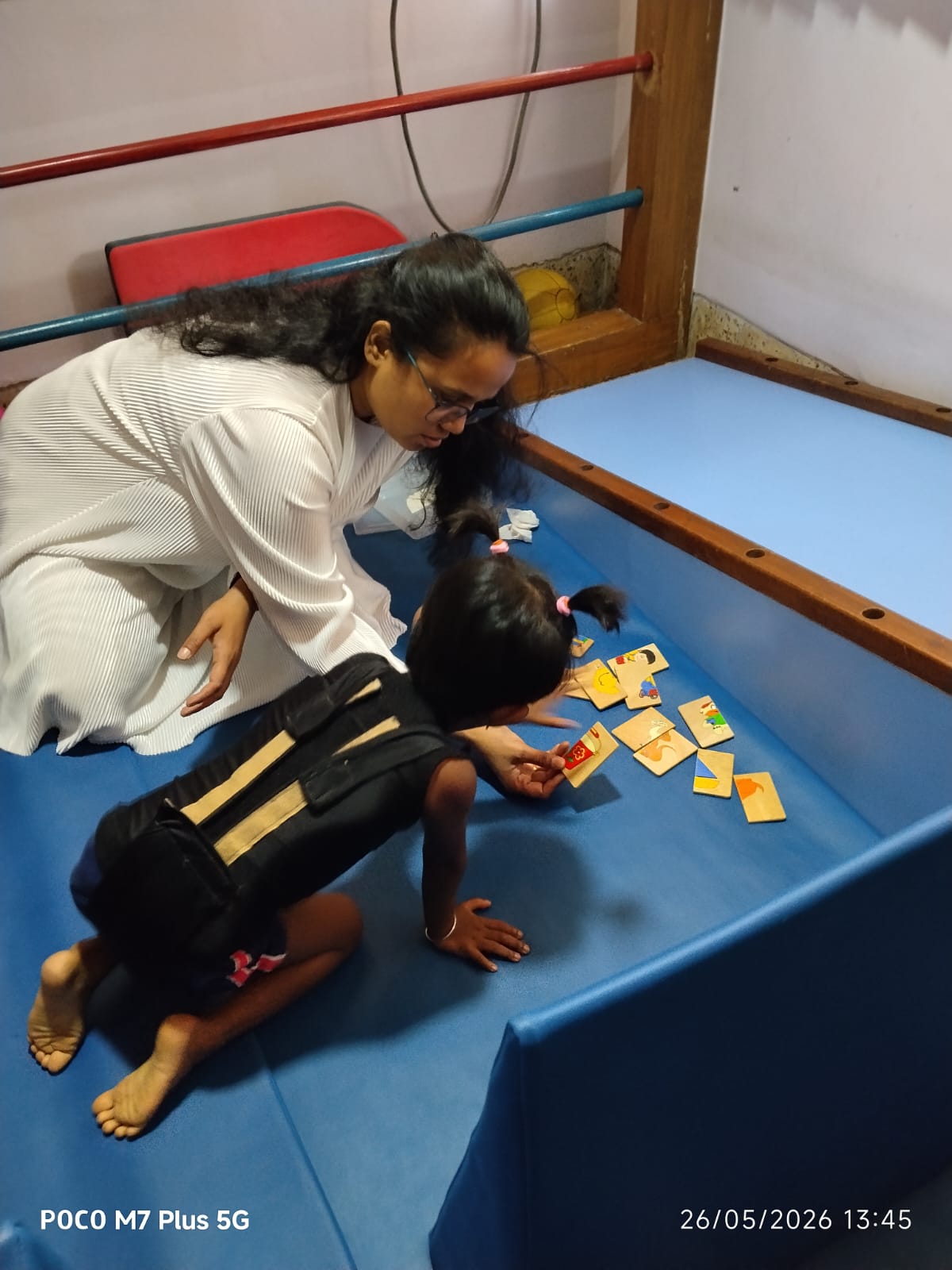
2. OCCUPATIONAL THERAPY
Occupational Therapy for Daily Skills & Sensory Development
What Parents May Notice
- Difficulty holding objects or writing
- Poor coordination or balance
- Trouble with daily routine tasks
- Difficulty focusing on activities
- Sensory sensitivity to sounds, textures, or touch
- Difficulty adapting to environments
- Delayed motor skills
How Occupational Therapy Helps
Occupational therapy supports sensory processing, fine motor skills, hand-eye coordination, focus, daily routine activities, and overall functional independence.
Expected Outcomes
- Better coordination and motor control
- Improved focus and attention
- Greater independence in daily activities
- Improved sensory regulation
- Enhanced confidence in routine tasks
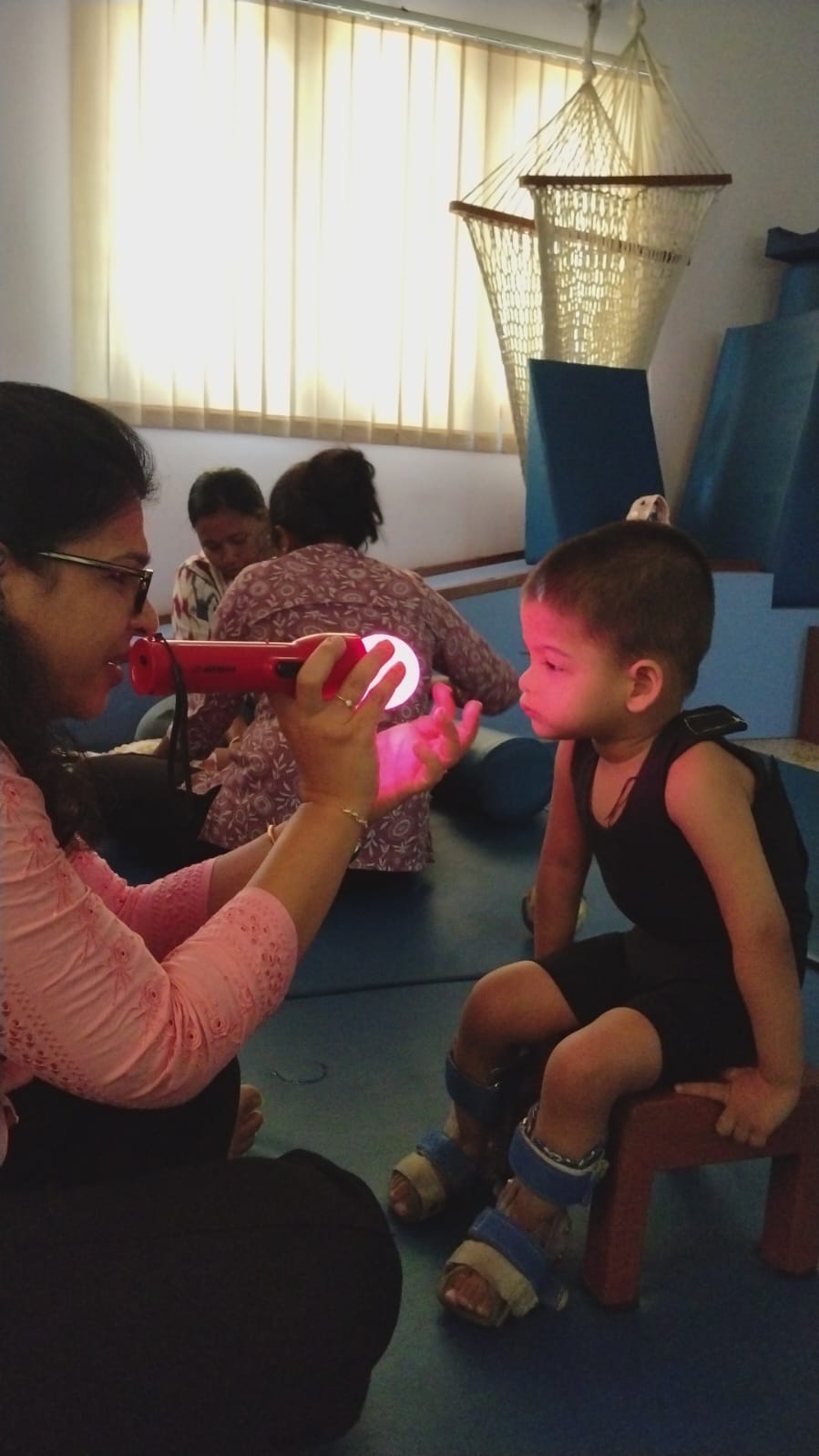
3. SENSORY INTEGRATION THERAPY
Sensory Integration Therapy
What Parents May Notice
- Sensitivity to noise or touch
- Difficulty tolerating certain textures
- Overreaction to sensory environments
- Difficulty remaining calm or focused
- Sensory-seeking behaviours
- Avoidance of certain environments
How Sensory Integration Therapy Helps
This therapy supports sensory processing, emotional comfort, focus, body awareness, and environmental adaptation through structured sensory activities.
Expected Outcomes
- Better sensory regulation
- Improved focus and calmness
- Greater comfort in different environments
- Better body awareness and coordination
- Improved participation in daily activities

4.Aqua Therapy
Water-Based Therapy
What Parents May Notice
- Difficulty with balance and coordination
- Muscle weakness
- Limited mobility or movement
- Poor posture
- Reduced physical endurance
- Delayed motor development
- Difficulty participating in physical activities
How Sensory Integration Therapy Helps
Aqua Therapy provides a safe and supportive environment where children can practice movement skills with reduced pressure on their joints and muscles. Water-based activities help improve strength, balance, flexibility, coordination, and body awareness while promoting confidence and participation.
Expected Outcomes
- Improved balance and coordination
- Increased muscle strength and flexibility
- Better posture and body control
- Enhanced mobility and movement skills
- Greater physical confidence and independence
- Improved participation in daily activities
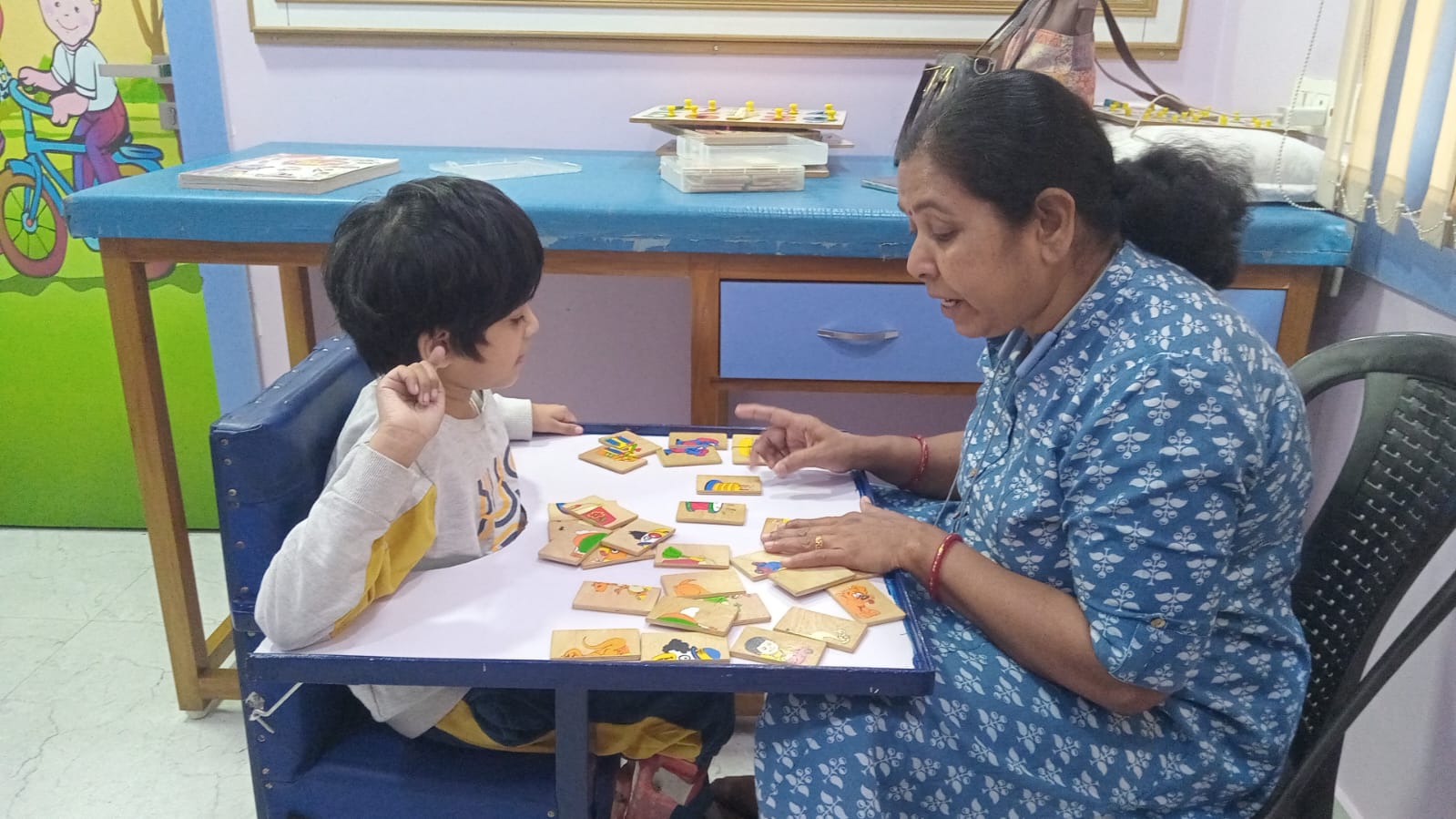
5. SPEECH THERAPY
Speech Therapy for Children
What Parents May Notice
- Delayed speech development
- Difficulty pronouncing words clearly
- Limited vocabulary for age
- Difficulty understanding instructions
- Challenges expressing needs or emotions
- Poor communication confidence
- Difficulty interacting socially
How Speech Therapy Helps
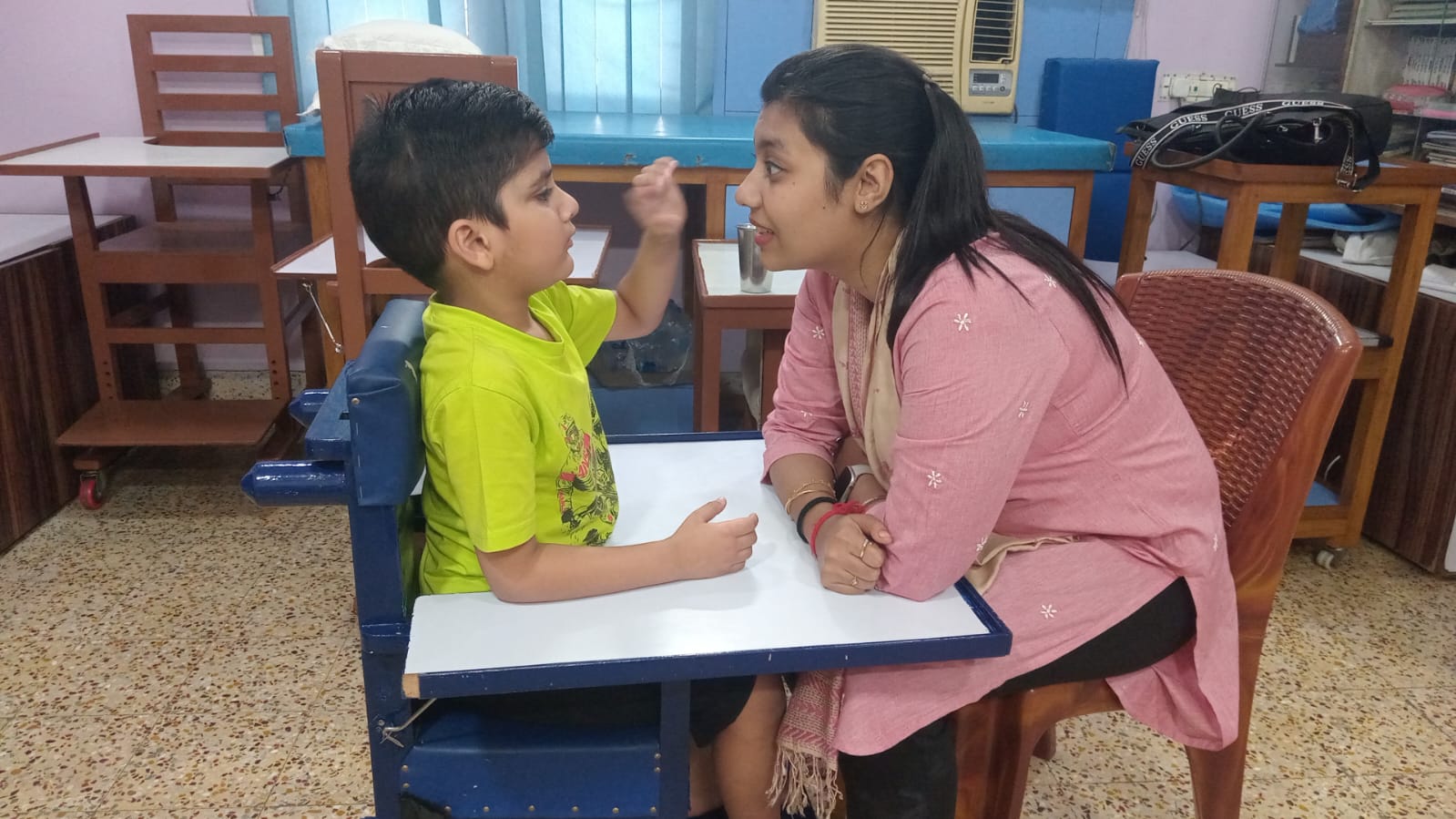
Speech therapy focuses on improving communication skills, language understanding, speech clarity, listening abilities, and social interaction through guided child-focused activities and structured support.
Expected Outcomes
- Improved communication skills
- Better speech clarity and language understanding
- Increased confidence in speaking
- Better social interaction and expression
- Enhanced listening and comprehension abilities
6. BEHAVIOURAL THERAPY
Behavioural Therapy for Emotional & Social Development
What Parents May Notice
- Emotional outbursts
- Difficulty following routines
- Social interaction challenges
- Difficulty adapting to changes
- Behavioural concerns at home or school
- Difficulty expressing emotions appropriately
How Behavioural Therapy Helps
Behavioural therapy focuses on helping children improve emotional regulation, communication, routine adaptation, social understanding, and positive behavioural responses.
Expected Outcomes
- Improved emotional regulation
- Better social interaction skills
- Improved routine management
- Increased adaptability and confidence
- Better behavioural understanding
7. SPECIAL EDUCATION
Special Education & Learning Support
What Parents May Notice
- Difficulty understanding school concepts
- Slow academic progress
- Difficulty reading, writing, or concentrating
- Learning frustration or low confidence
- Difficulty following classroom instructions
How Special Education Helps
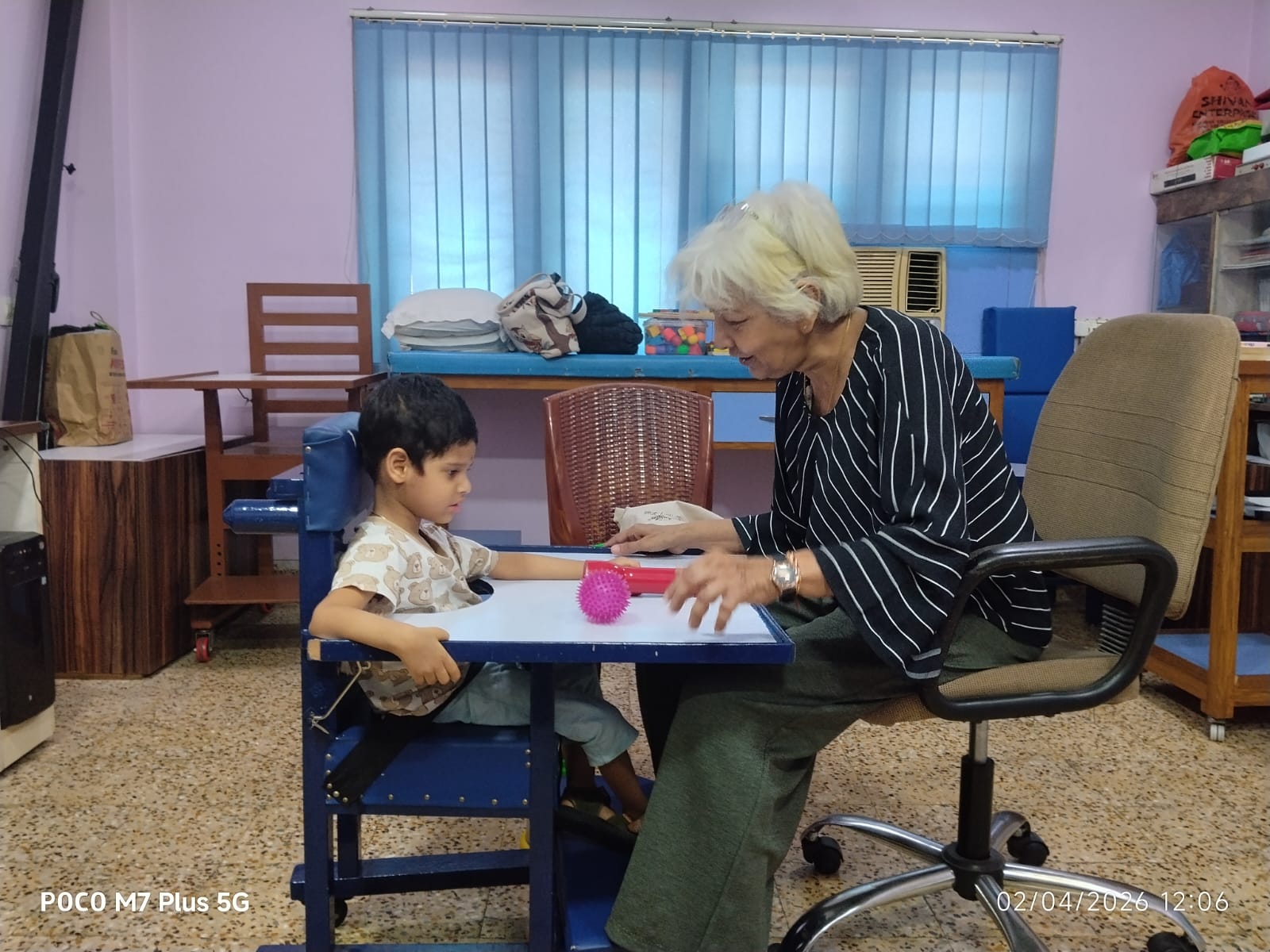
Special education programs provide personalized teaching strategies and structured learning support tailored to each child’s developmental and academic needs.
Expected Outcomes
- Improved learning confidence
- Better academic participation
- Enhanced concentration and understanding
- Child-specific learning progress
- Greater independence in learning tasks
8.Computer & Visual Therapy
Enhancing Learning, Attention & Visual Processing Skills
What Parents May Notice
- Difficulty focusing on tasks
- Poor visual attention
- Learning challenges
- Difficulty recognizing shapes, letters, or patterns
- Slow information processing
- Poor memory retention
- Difficulty following visual instructions
How Special Education Helps
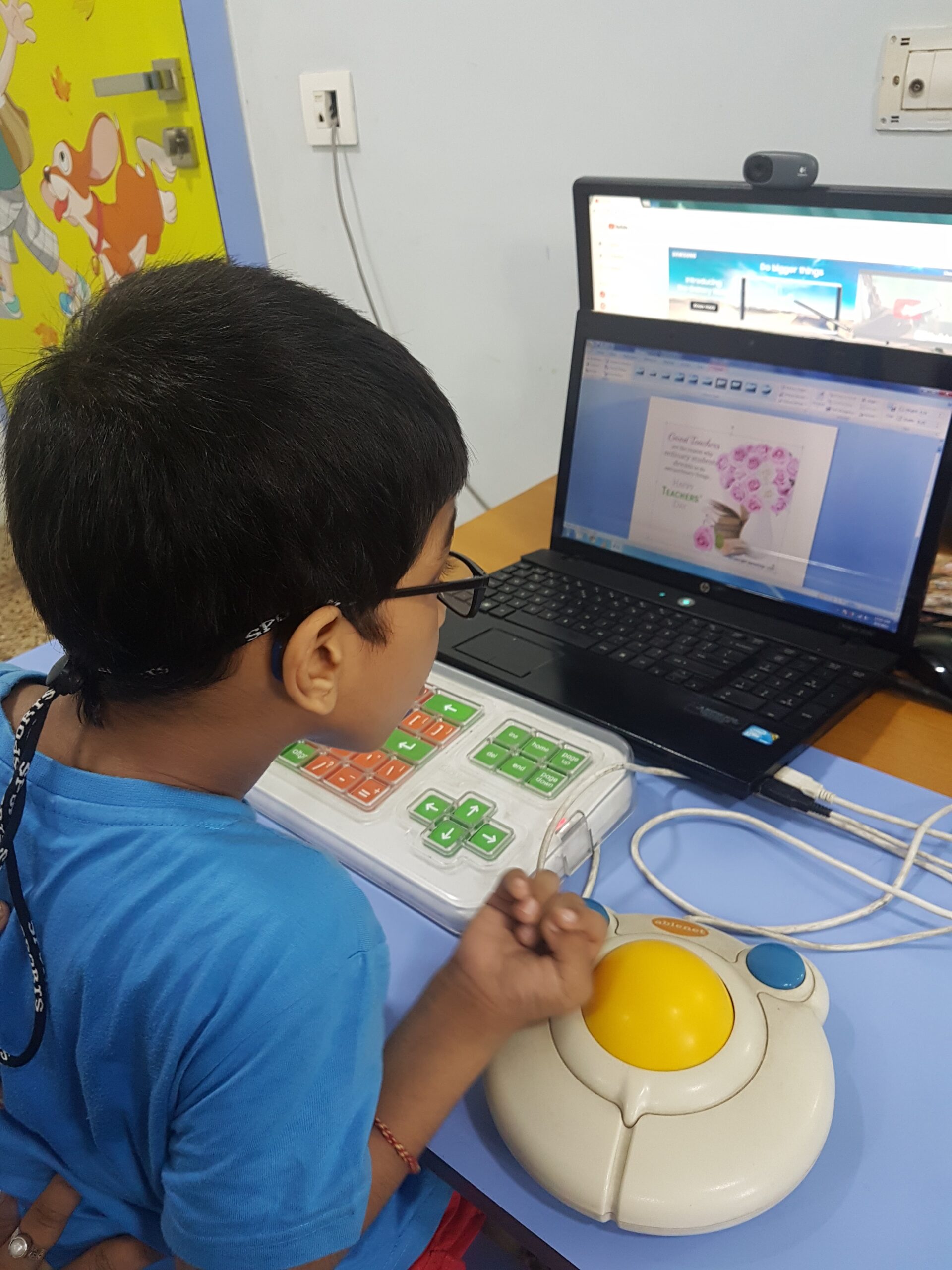
This therapy helps strengthen visual processing, concentration, attention span, memory, and cognitive skills through guided activities and interactive learning exercises.
Expected Outcomes
- Improved concentration and focus
- Better visual processing skills
- Enhanced learning abilities
- Improved memory and attention
- Greater confidence in academic activities

9. ADL Training
Building Independence in Everyday Life
What Parents May Notice
- Difficulty dressing independently
- Challenges with eating or self-feeding
- Difficulty with grooming and hygiene
- Dependence on adults for routine tasks
- Poor organization of daily activities
- Difficulty following daily routines
How Special Education Helps
Through structured guidance and practical activities, children learn everyday skills that improve independence, self-care, confidence, and routine management.
Expected Outcomes
- Greater independence in daily activities
- Improved self-care skills
- Better routine management
- Increased confidence and responsibility
- Enhanced participation in everyday life.

10.School Readiness Program
Preparing Children for a Confident Start to School
What Parents May Notice
- Difficulty following instructions
- Limited attention span
- Difficulty interacting with peers
- Delayed pre-academic skills
- Challenges adapting to structured environments
- Separation anxiety from parents
How Special Education Helps
The program focuses on building classroom readiness through activities that improve communication, attention, learning, social interaction, independence, and confidence.
Expected Outcomes
- Improved school readiness skills
- Better classroom participation
- Enhanced social interaction
- Increased confidence and independence
- Smoother transition into school

11. Handwriting & Speed Improvement
Improving Writing Skills, Speed & Academic Confidence
What Parents May Notice
- Poor handwriting clarity
- Slow writing speed
- Difficulty holding a pencil correctly
- Hand fatigue while writing
- Inconsistent letter formation
- Difficulty completing written work on time
How Special Education Helps
Through structured exercises and guided activities, children improve fine motor skills, pencil grip, hand coordination, writing speed, and overall handwriting quality.
Expected Outcomes
- Improved handwriting legibility
- Faster writing speed
- Better pencil control
- Increased hand strength and coordination
- Greater confidence in classroom tasks