
Every Child Deserves the Right Support to Grow, Communicate & Thrive
If your child is facing challenges with movement disorders, delayed milestones such as sitting, crawling, and walking, speech, learning, behaviour, movement, sensory response, or social interaction, Mridul Foundation provides structured therapy and guided developmental support designed to help children progress with confidence, care, and compassion.
Featured In:
Why Trust us:
Are You Noticing These Signs in Your Child?
Many parents feel confused, worried, or unsure about what their child may be experiencing. Early guidance and support can make a meaningful difference in a child’s growth and confidence.
- Mobility, posture, or coordination concerns
- Difficulty with everyday routine skills
- Delayed speech or difficulty communicating
- Poor eye contact or social interaction challenges
- Difficulty focusing or understanding instructions
- Hyperactivity or excessive restlessness
- Learning difficulties
- Poor handwriting or fine motor skills
- Abnormal posture
- Sensory sensitivity to sounds, touch, or surroundings
- Behavioural or emotional regulation difficulties
- Learning and academic challenges
You are not alone — compassionate support and early intervention can help your child build important life skills with confidence and care.
Hear From The Heart Behind Mridul Foundation
This conversation is dedicated to parents who may be feeling worried, overwhelmed, or unsure about the next steps for their child.
Therapy & Development Programs Designed Around Your Child’s Needs
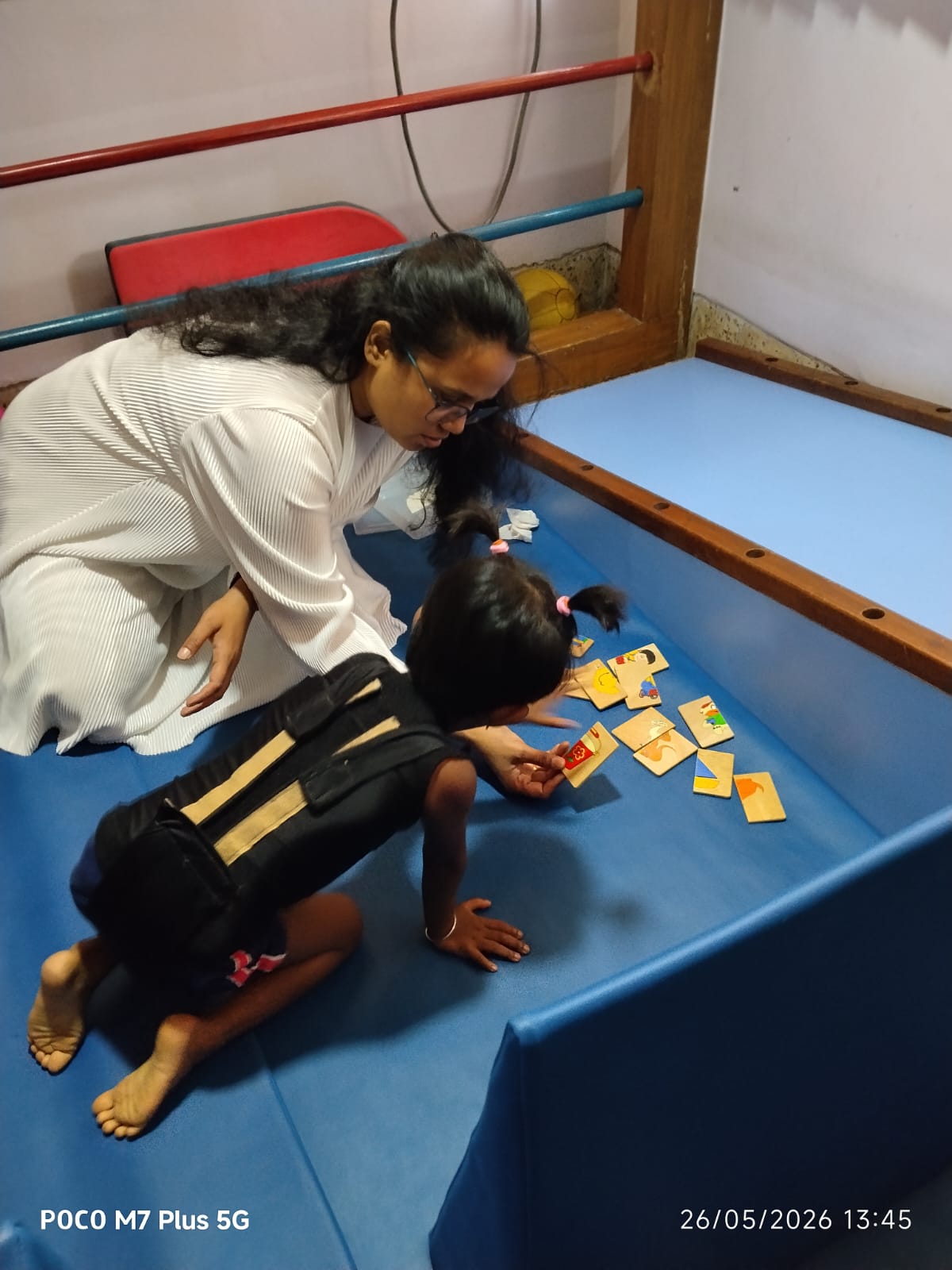
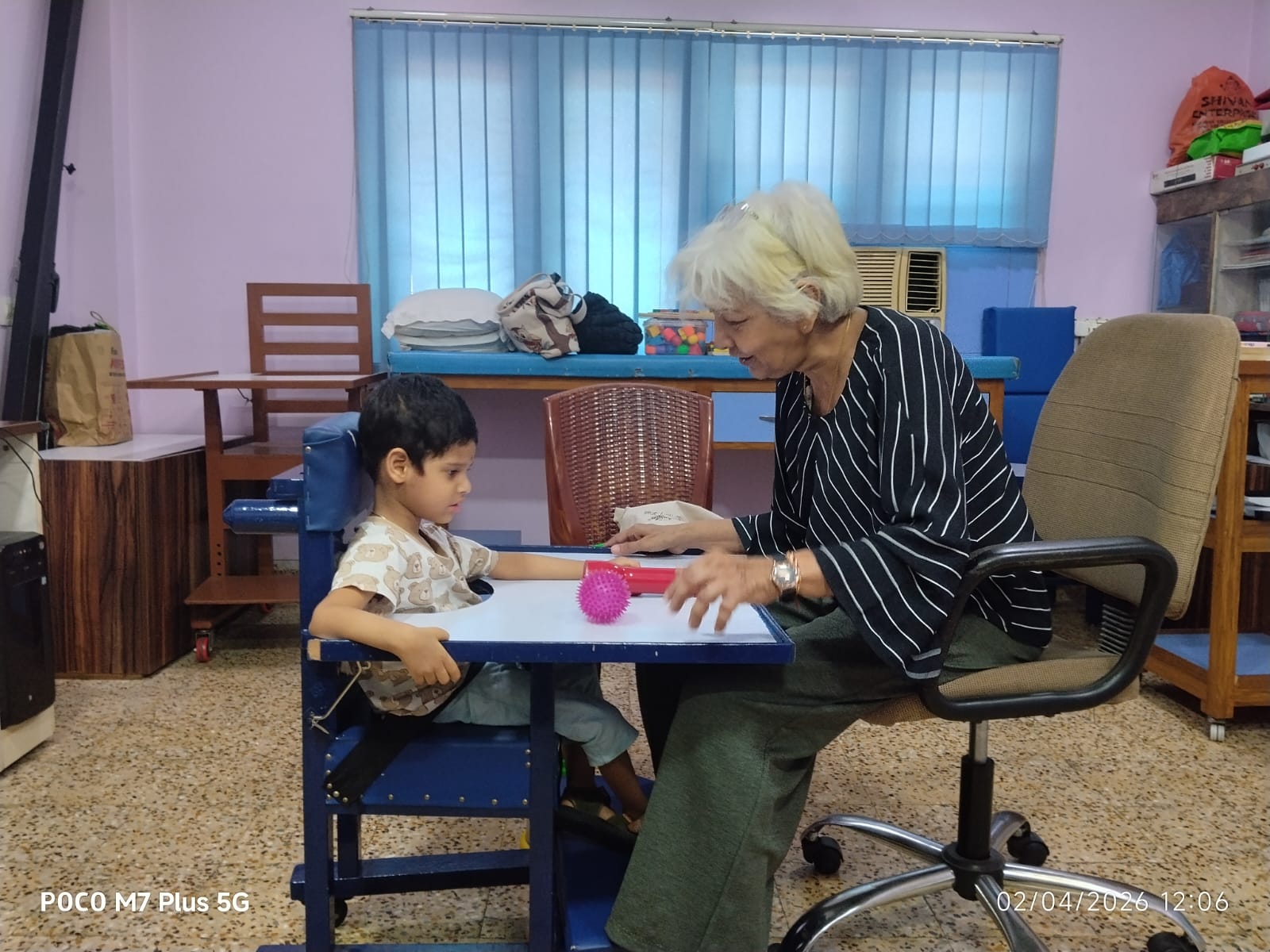
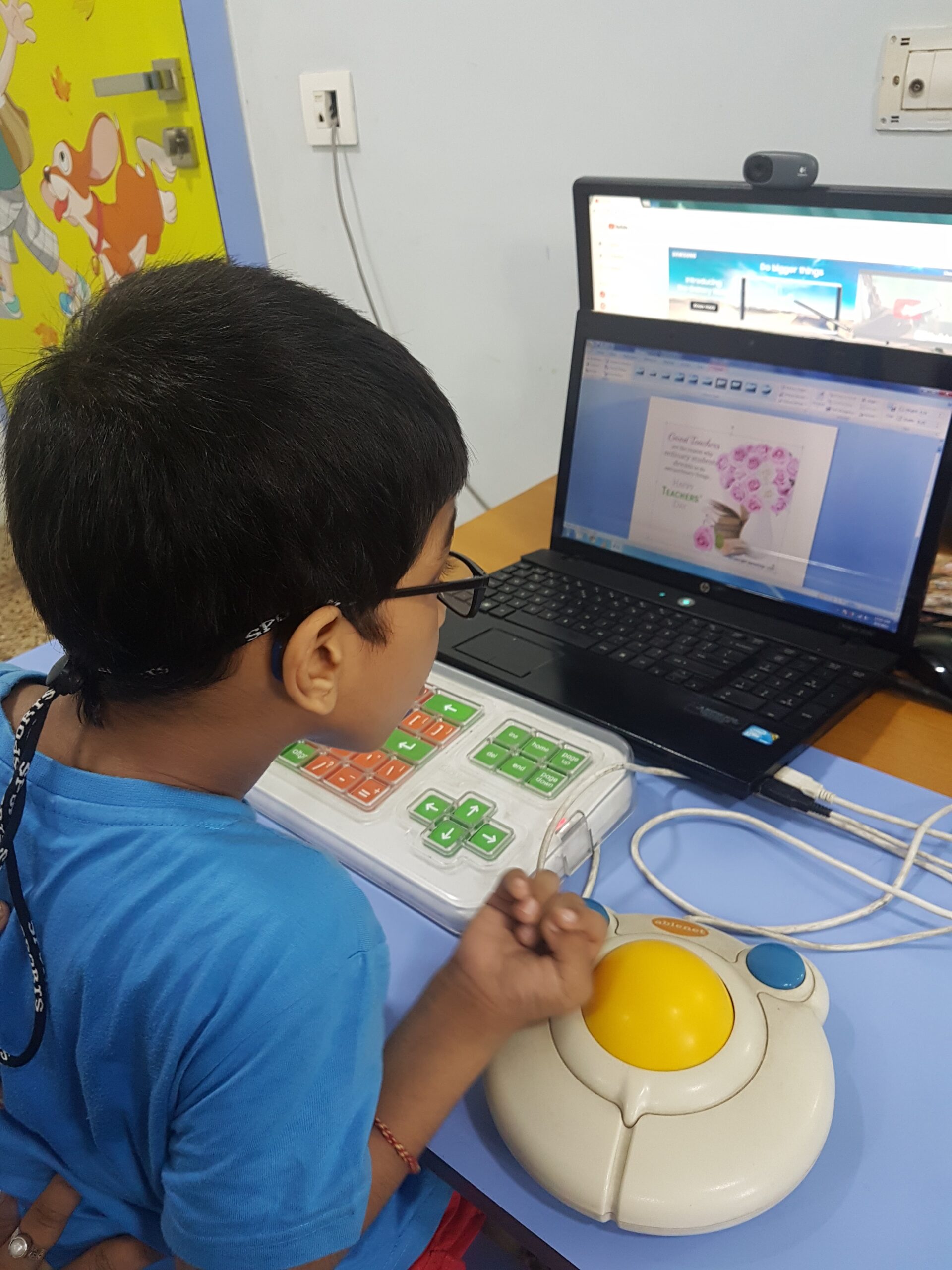
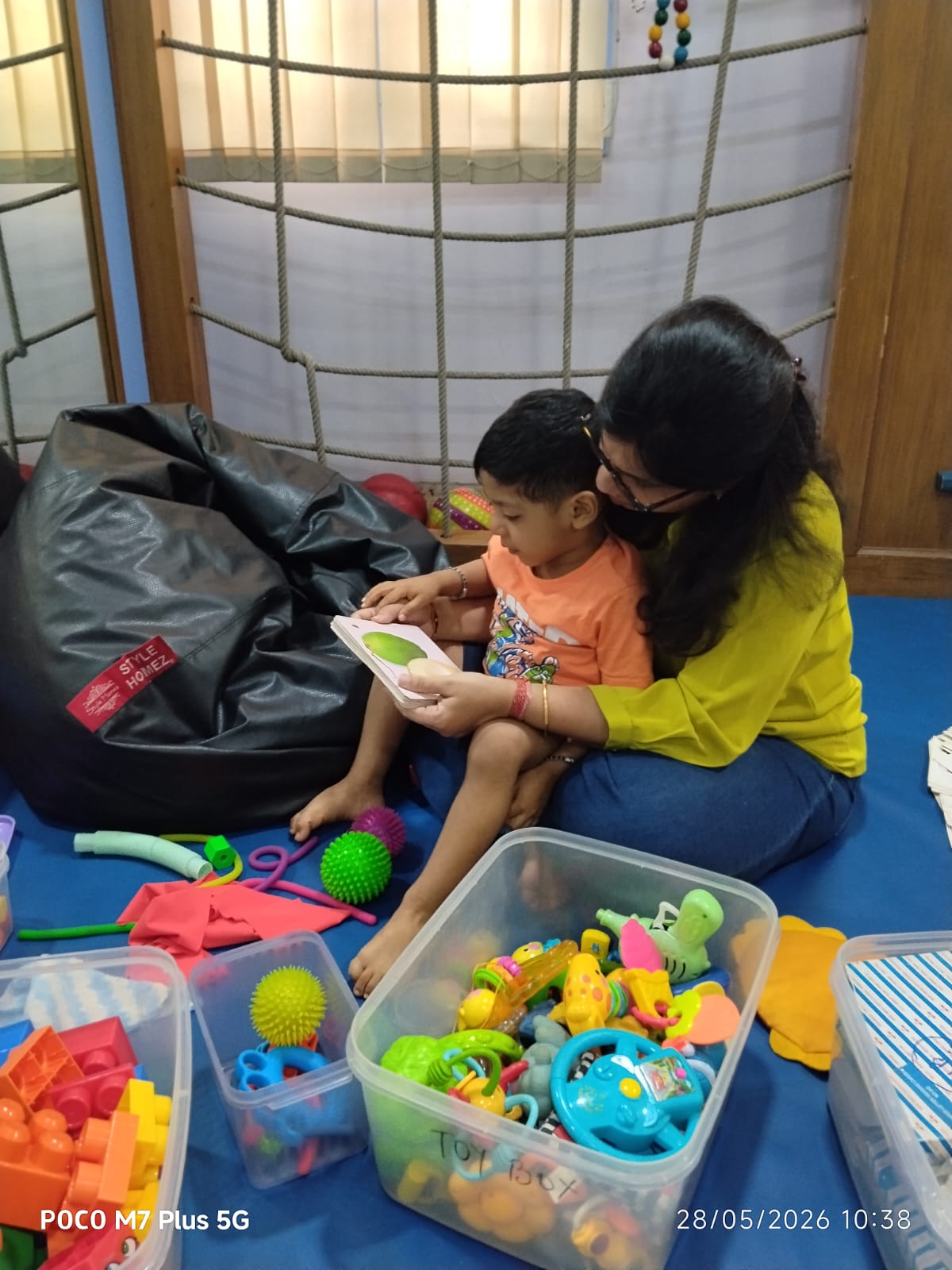
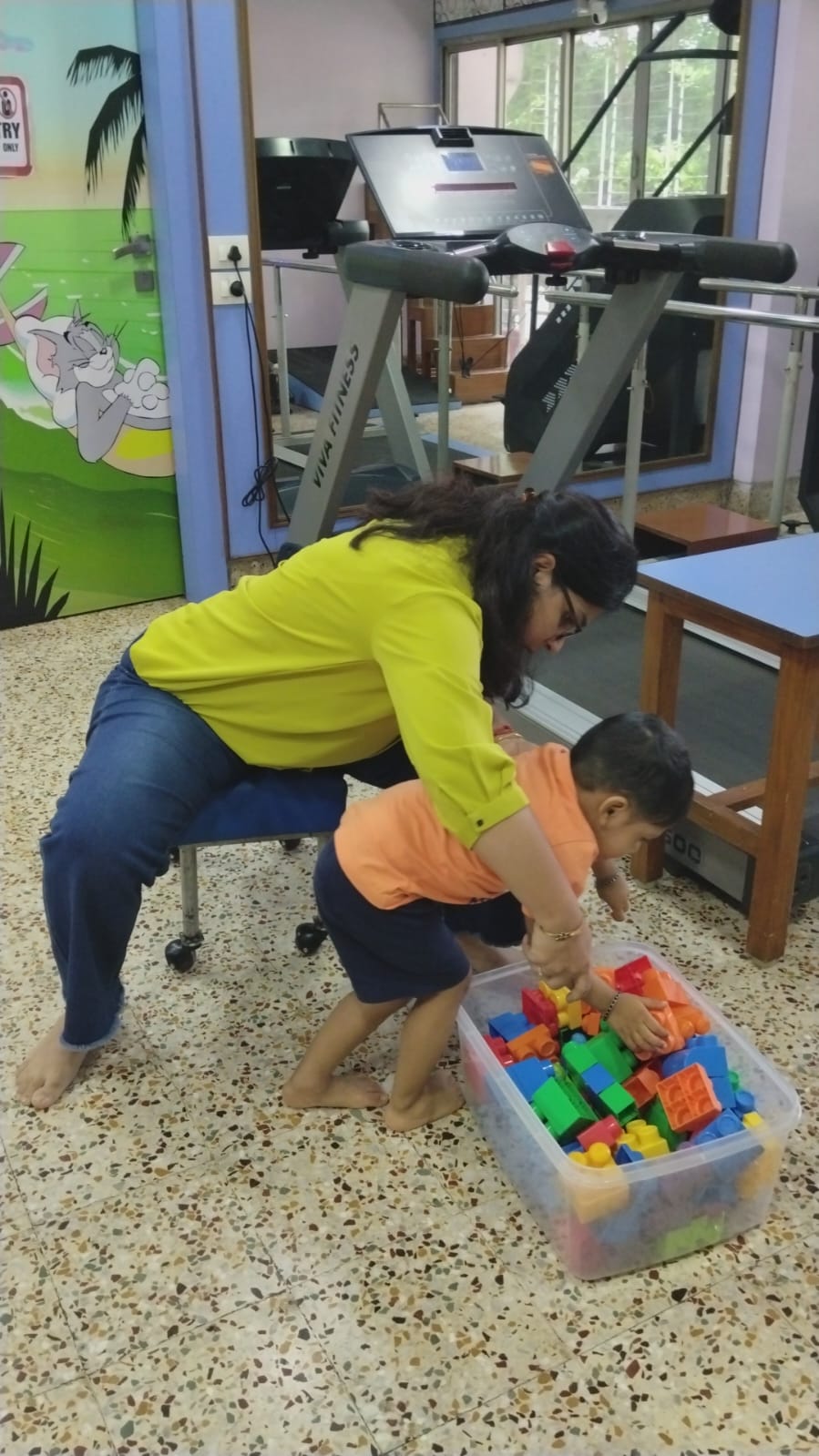
Every child progresses differently. Our therapies are carefully planned to support movement of the child,speech difficulty , communication challenges, behaviour, learning, independence, and overall development through guided, child-focused care.
What Parents May Notice
Mobility, posture, or coordination concerns,Difficulty with everyday routine skills,Delayed speech or difficulty communicating,Poor eye contact or social interaction challenges,Difficulty focusing or understanding ,instructions,Hyperactivity or excessive restlessness,Learning difficulties,Poor handwriting or fine motor skills,Abnormal posture,Sensory sensitivity to sounds, touch, or surroundings .Behavioural or emotional regulation difficulties,Learning and academic challenges
How Therapy Helps
Speech therapy supports communication, language development, listening skills, and confidence in expressing thoughts and emotions.
Expected Outcomes
- Better communication skills
- Improved speech clarity
- Increased confidence in social interaction
Physiotherapy
What Parents May Notice
Mobility challenges, posture issues, balance difficulties, or physical weakness.
How Therapy Helps
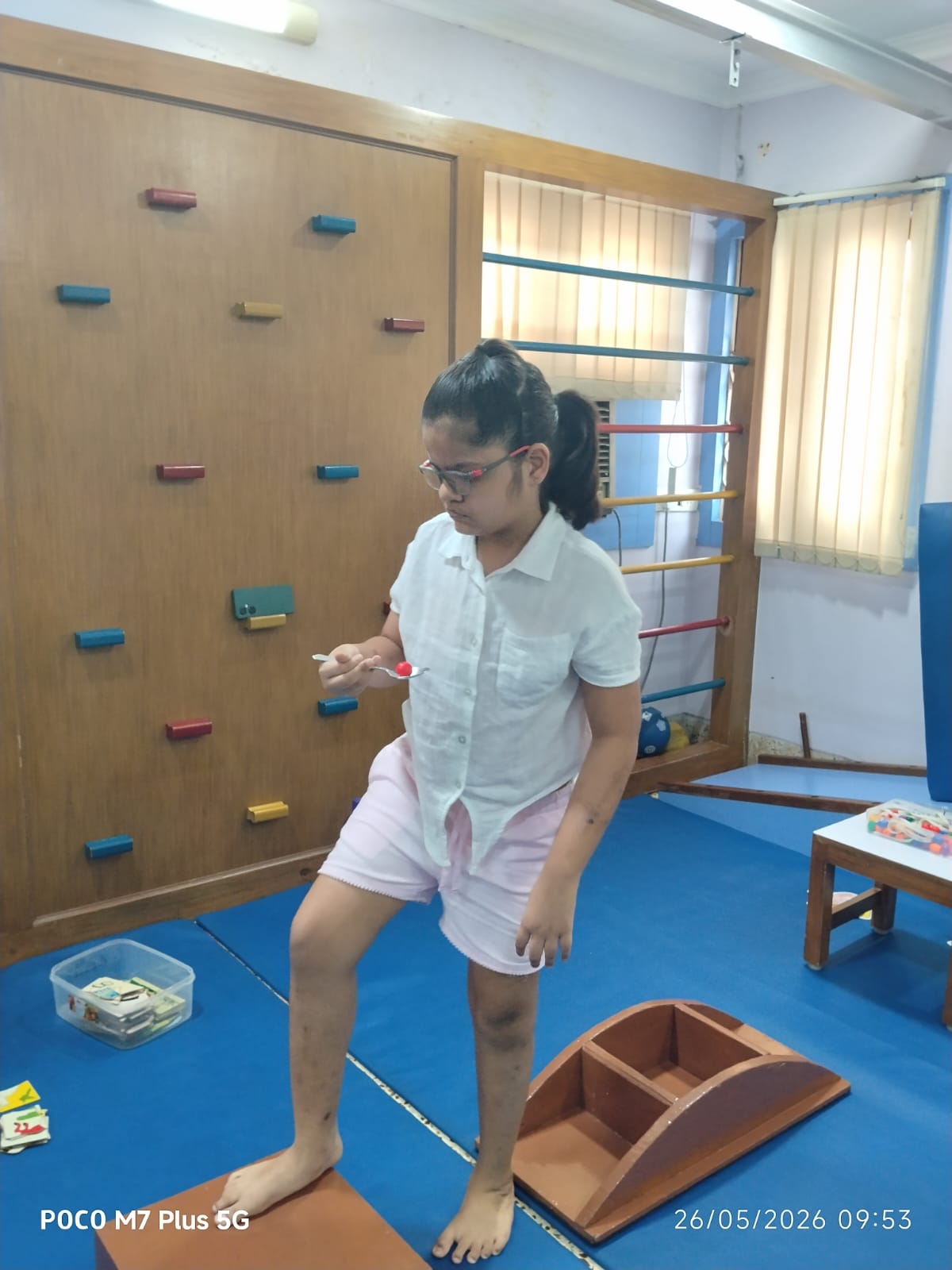
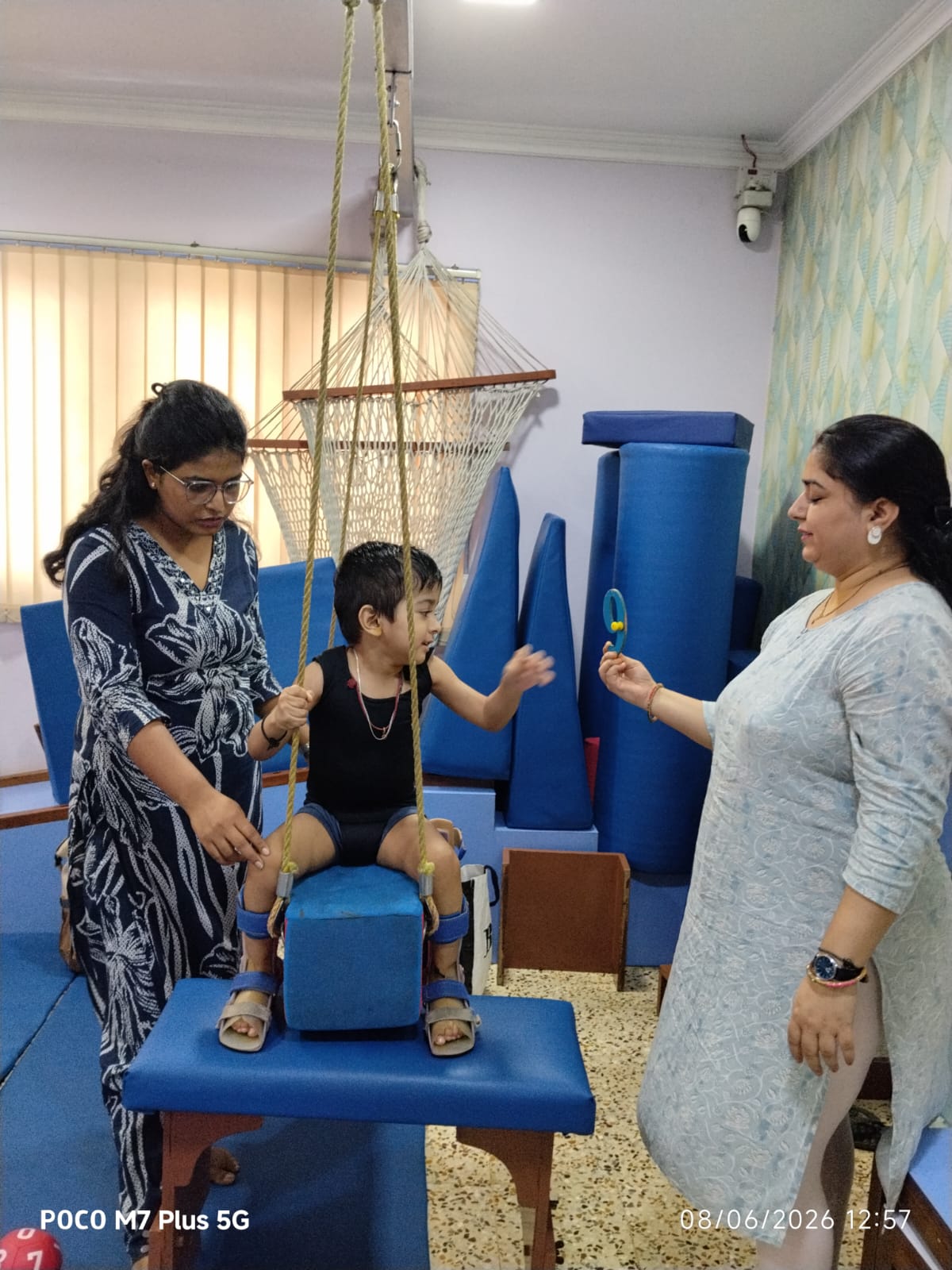
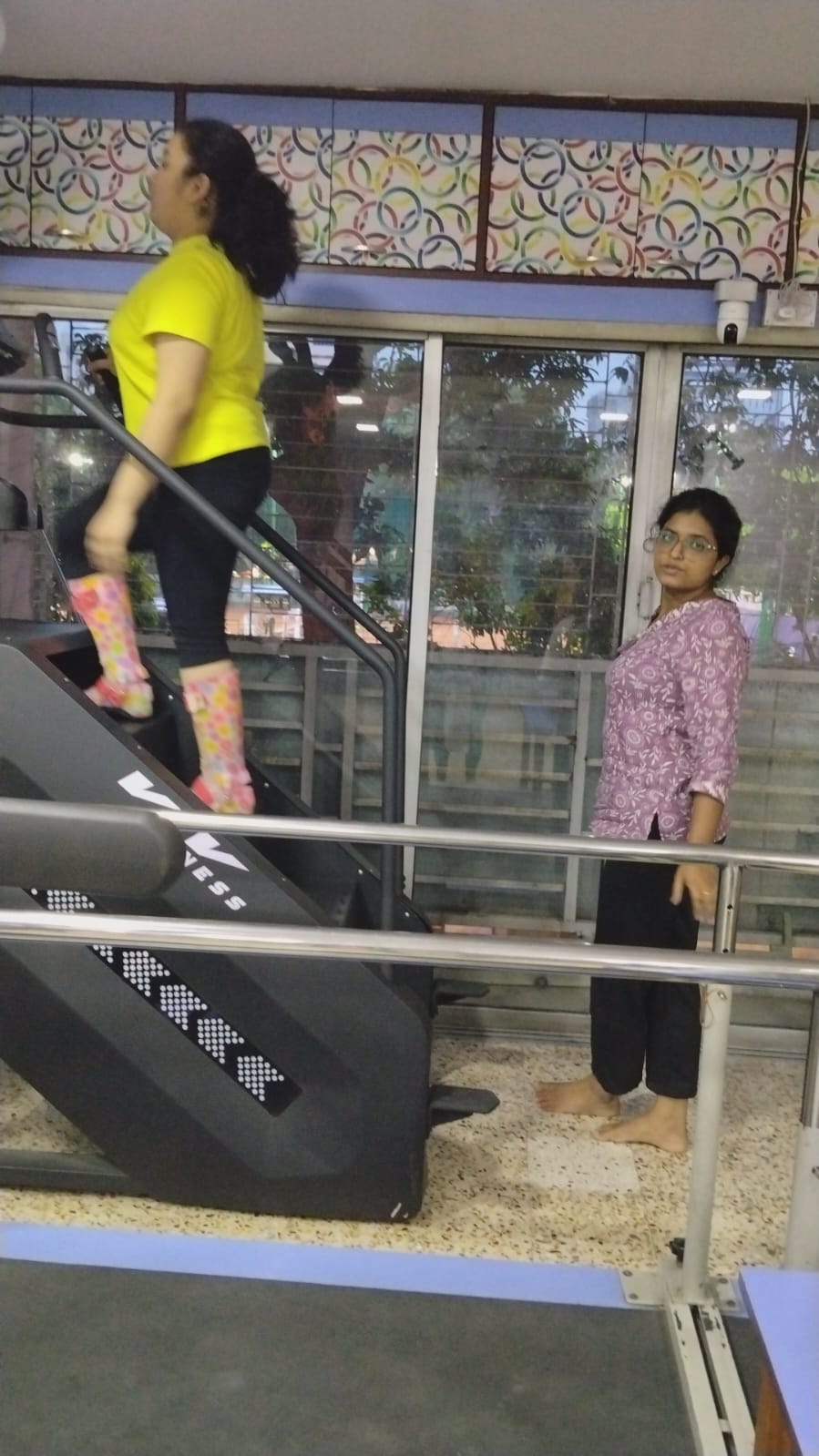
Physiotherapy supports movement, posture, strength, flexibility, and physical development through guided exercises and intervention.
Expected Outcomes
- Better posture and balance
- Improved mobility and coordination
- Increased physical confidence
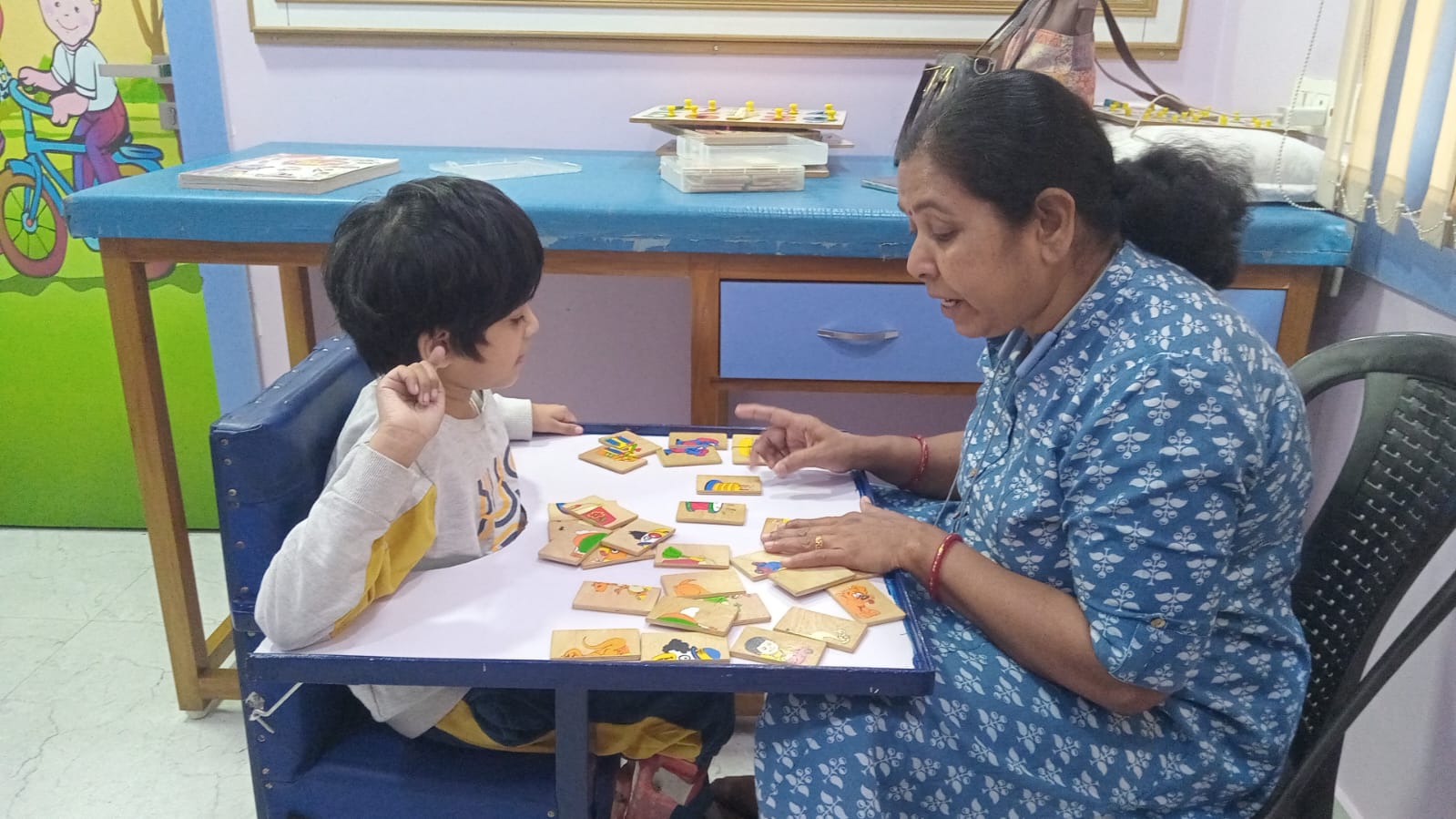
Occupational Therapy
What Parents May Notice
Difficulty with daily tasks, poor coordination, sensory issues, or trouble focusing.
How Therapy Helps
Occupational therapy improves sensory processing, motor coordination, attention, and everyday functional skills.
Expected Outcomes
- Improved daily routine skills
- Better sensory regulation
- Enhanced coordination and independence
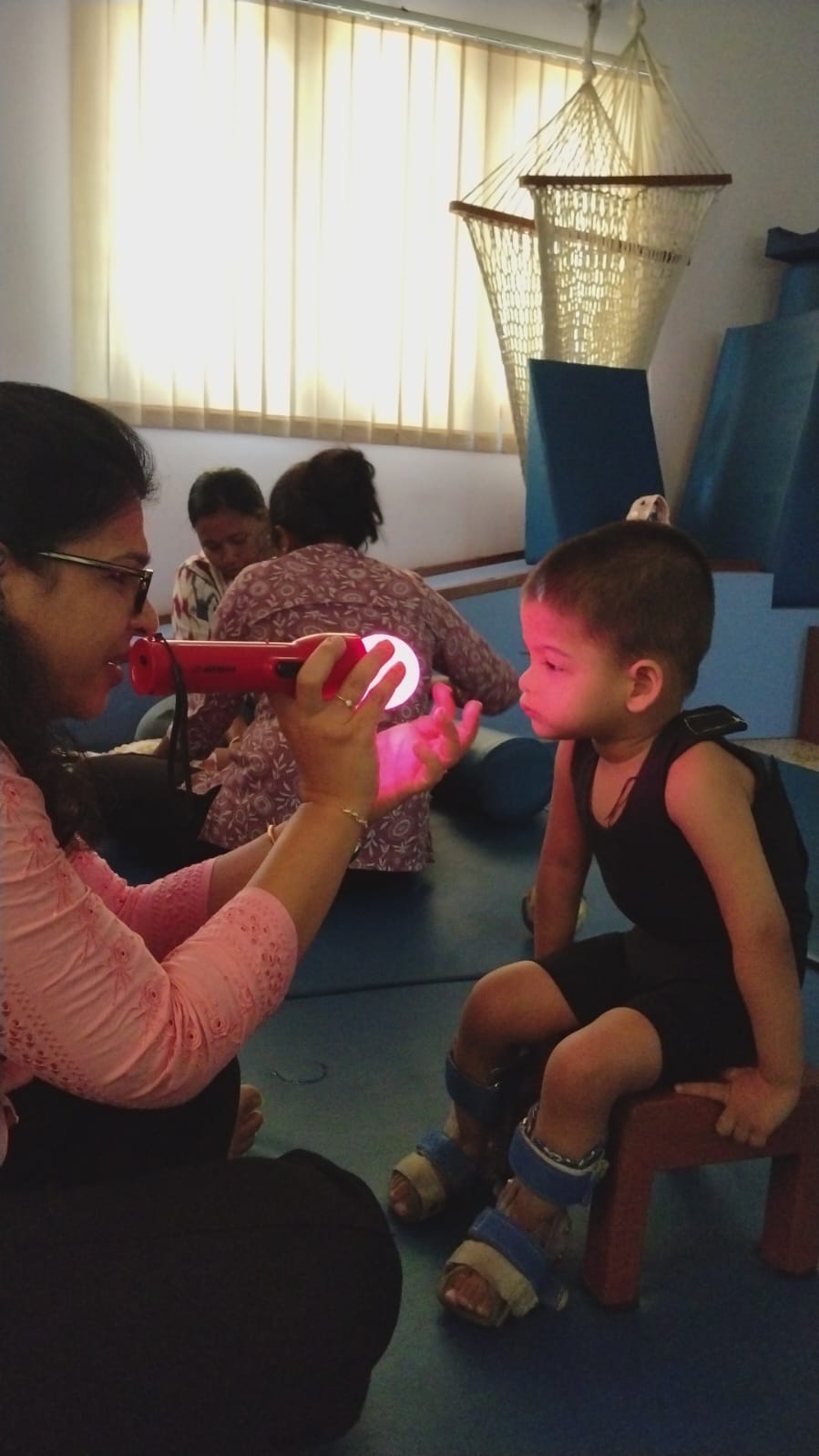
Sensory Integration Therapy
What Parents May Notice
Sensitivity to touch, sound, movement, textures, or difficulty processing surroundings.
How Therapy Helps
Sensory integration therapy helps children respond more comfortably and effectively to sensory experiences.
Expected Outcomes
- Better sensory response
- Improved focus and calmness
- Greater comfort in daily environments
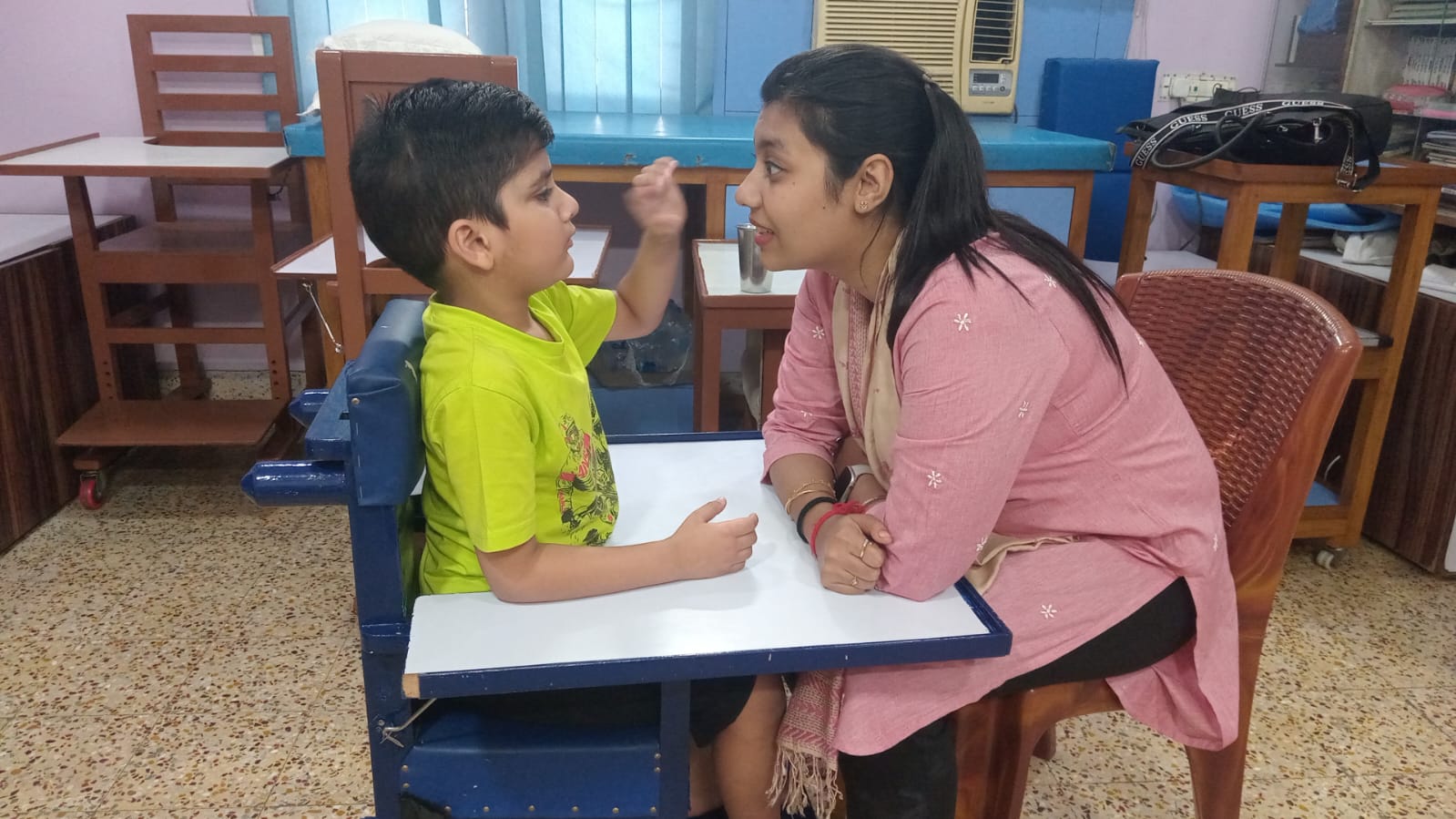
Speech Therapy
What Parents May Notice
Difficulty speaking clearly, delayed speech, limited vocabulary, or challenges expressing needs.
How Therapy Helps
Speech therapy supports communication, language development, listening skills, and confidence in expressing thoughts and emotions.
Expected Outcomes
- Better communication skills
- Improved speech clarity
- Increased confidence in social interaction
Behavioural Therapy
What Parents May Notice
Emotional outbursts, difficulty adapting to routines, social challenges, or behavioural concerns.
How Therapy Helps
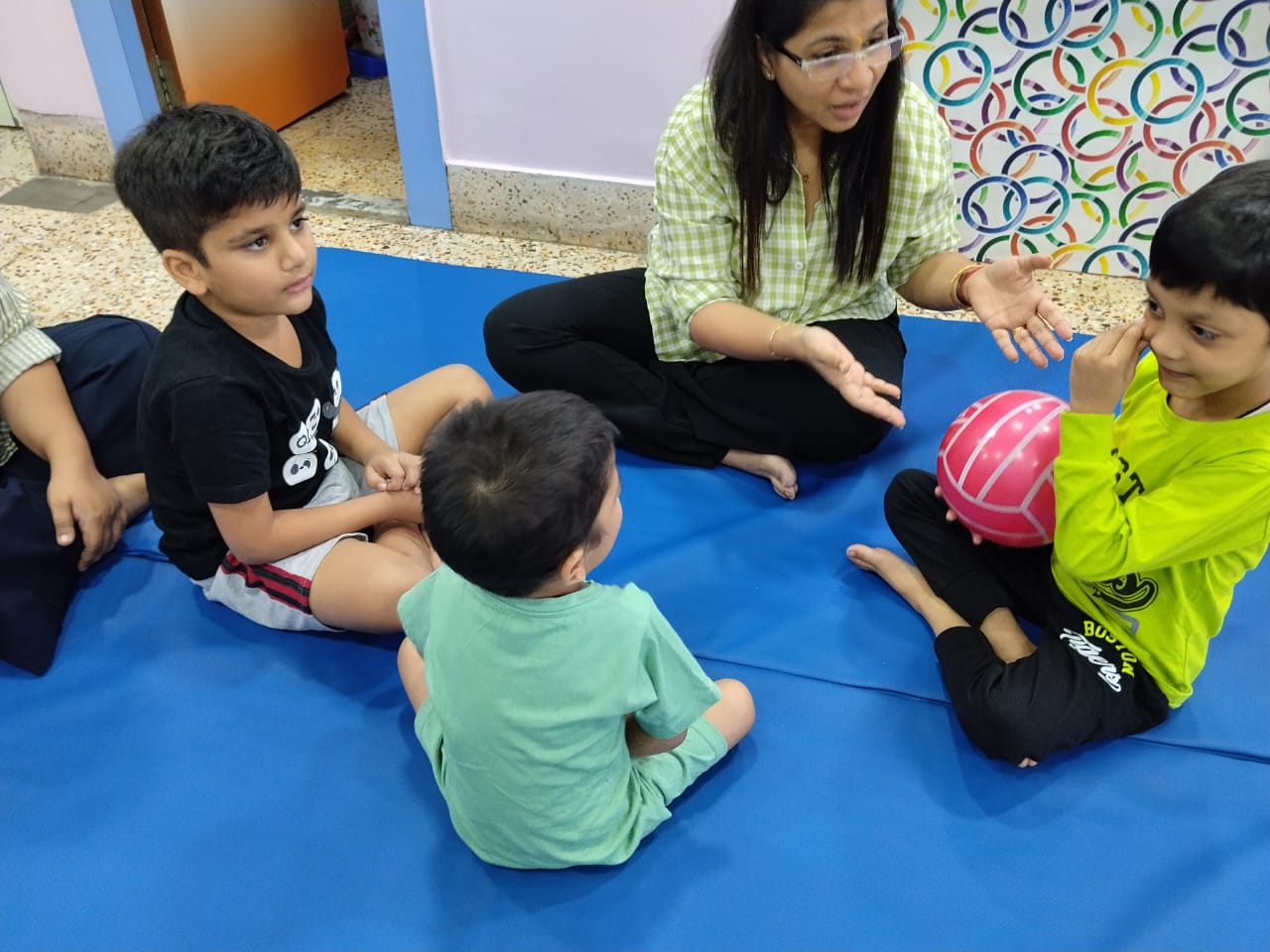
Behavioural therapy helps children develop emotional regulation, social interaction skills, and adaptive behaviour.
Expected Outcomes
- Improved behaviour management
- Better emotional understanding
- Enhanced social interaction
Special Education
What Parents May Notice
Learning difficulties, academic struggles, or challenges understanding classroom tasks.
How Therapy Helps
Special education programs provide personalized learning strategies based on each child’s strengths and developmental needs.
Expected Outcomes
- Improved learning abilities
- Better academic confidence
- Child-focused educational support
Why Families Choose Mridul Foundation
Compassion-First Care
We believe every child deserves patience, encouragement, and understanding throughout their developmental journey.
Personalized Therapy Planning
Every child receives structured support tailored to their unique needs, abilities, and progress goals.
Multiple Therapies
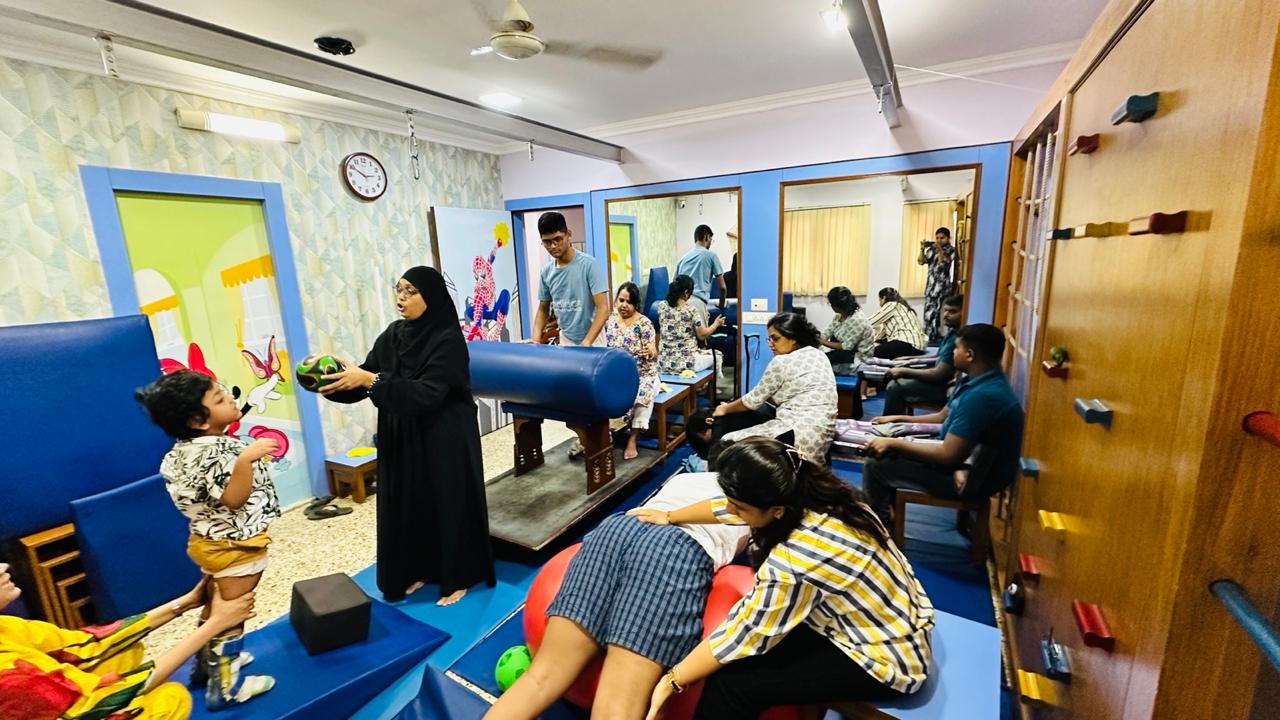
Our integrated therapy approach allows children to receive coordinated developmental support in one safe environment.
Parent Involvement & Guidance
We work closely with families and guide parents throughout the therapy journey.
Child-Friendly Environment
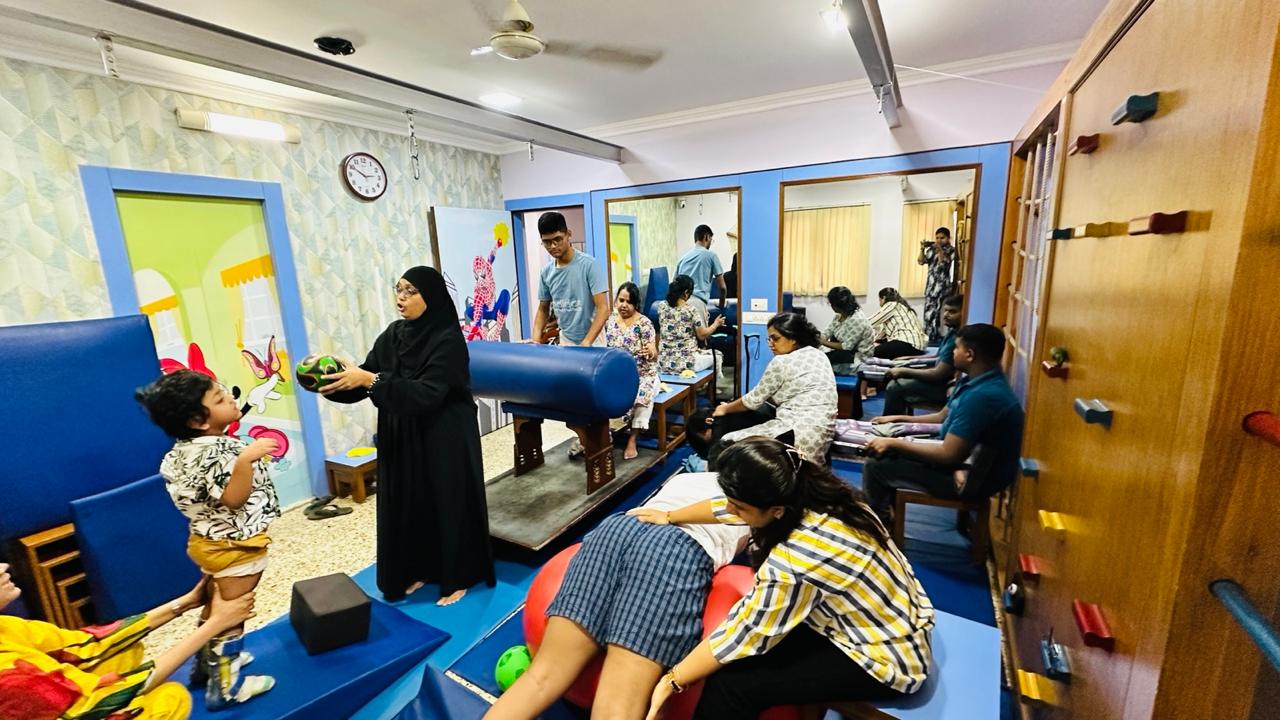
Our centre is designed to make children feel comfortable, safe, and supported during every session.
Experienced & Dedicated Team
Our therapists focus on helping children build confidence, communication, independence, and everyday life skills.
Process Steps
Experienced & Dedicated Team
Step 1 — Parent Discussion & Initial Assessment
We begin by understanding your child’s needs, challenges, strengths, and developmental concerns through a guided consultation.
Step 2 — Personalized Therapy Planning
Based on the assessment, our team creates a structured therapy and support plan tailored to your child’s developmental goals.
Step 3 — Regular Sessions & Progress Support
Through guided sessions, parent involvement, and progress tracking, we support your child’s development step by step.
Stories of Hope & Progress
FAQ
Every child’s needs are different. Our team helps identify the most suitable therapy through an initial consultation and assessment.
No. Parents can contact us even if they are only noticing developmental or behavioural concerns.
Therapy duration varies depending on the child’s individual needs, goals, and progress.
Yes. Many children benefit from a multidisciplinary therapy approach based on their developmental requirements.
Absolutely. Parent involvement and guidance are an important part of the support process.
Let’s Discuss How We Can Support Your Child
If you are concerned about your child’s speech, learning, behaviour, movement, or development, our team is here to guide and support you with compassionate care.